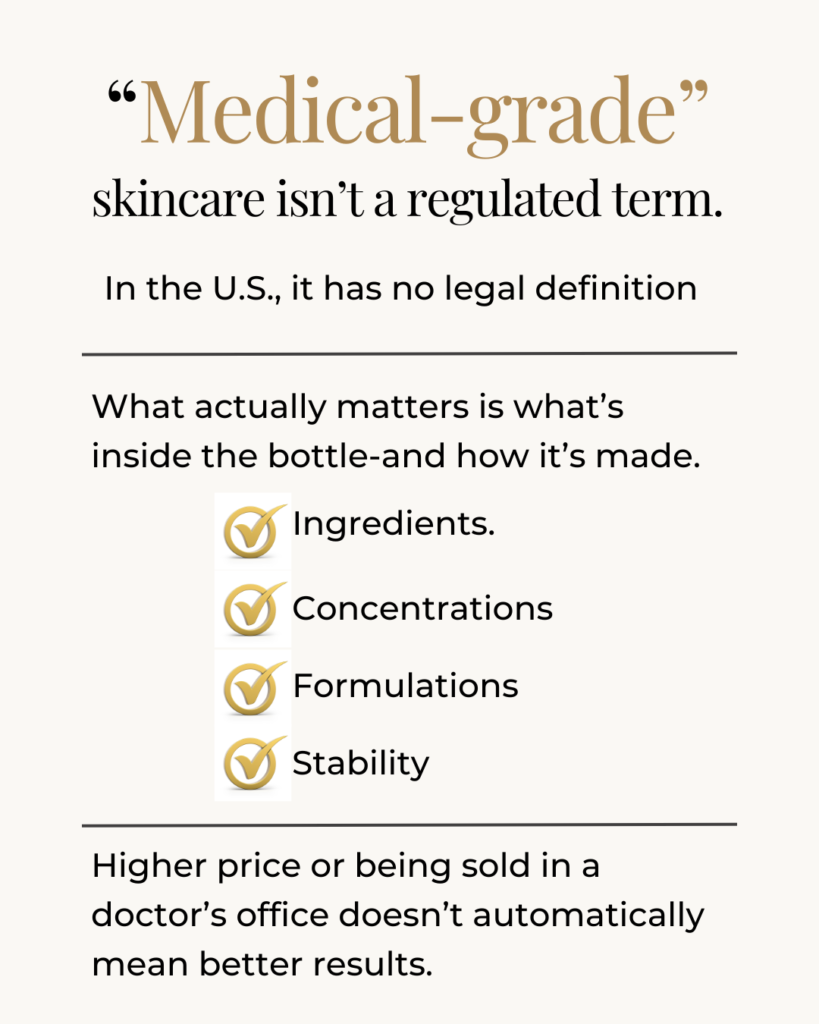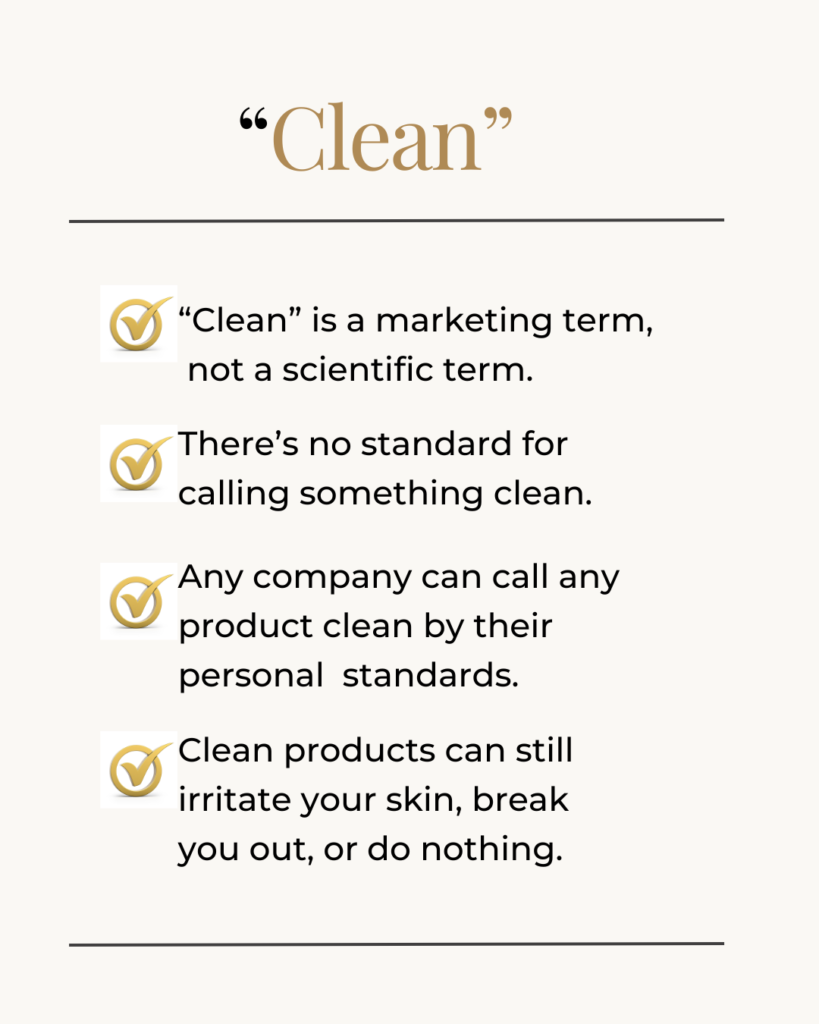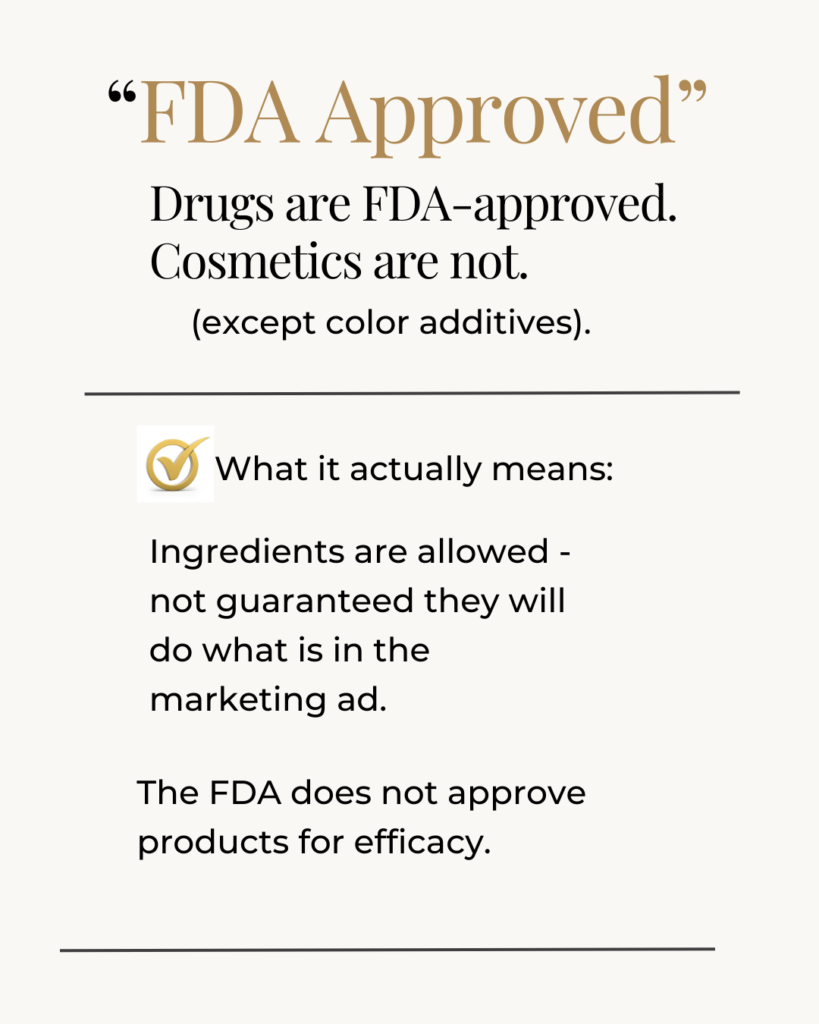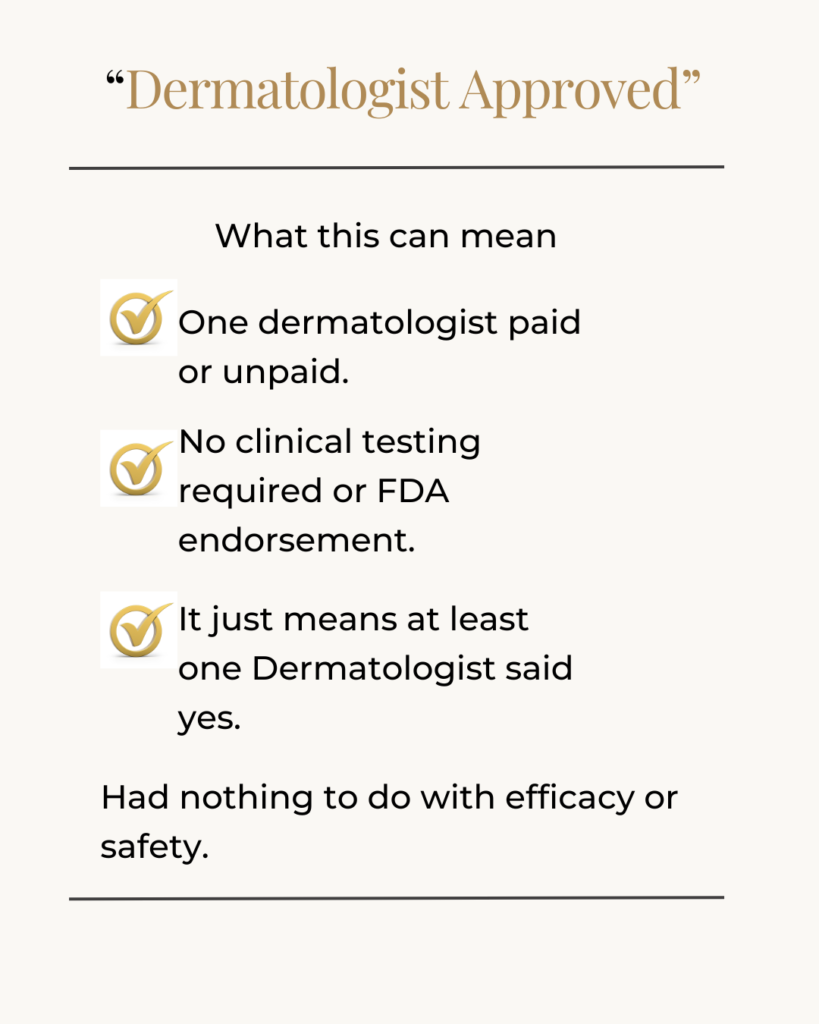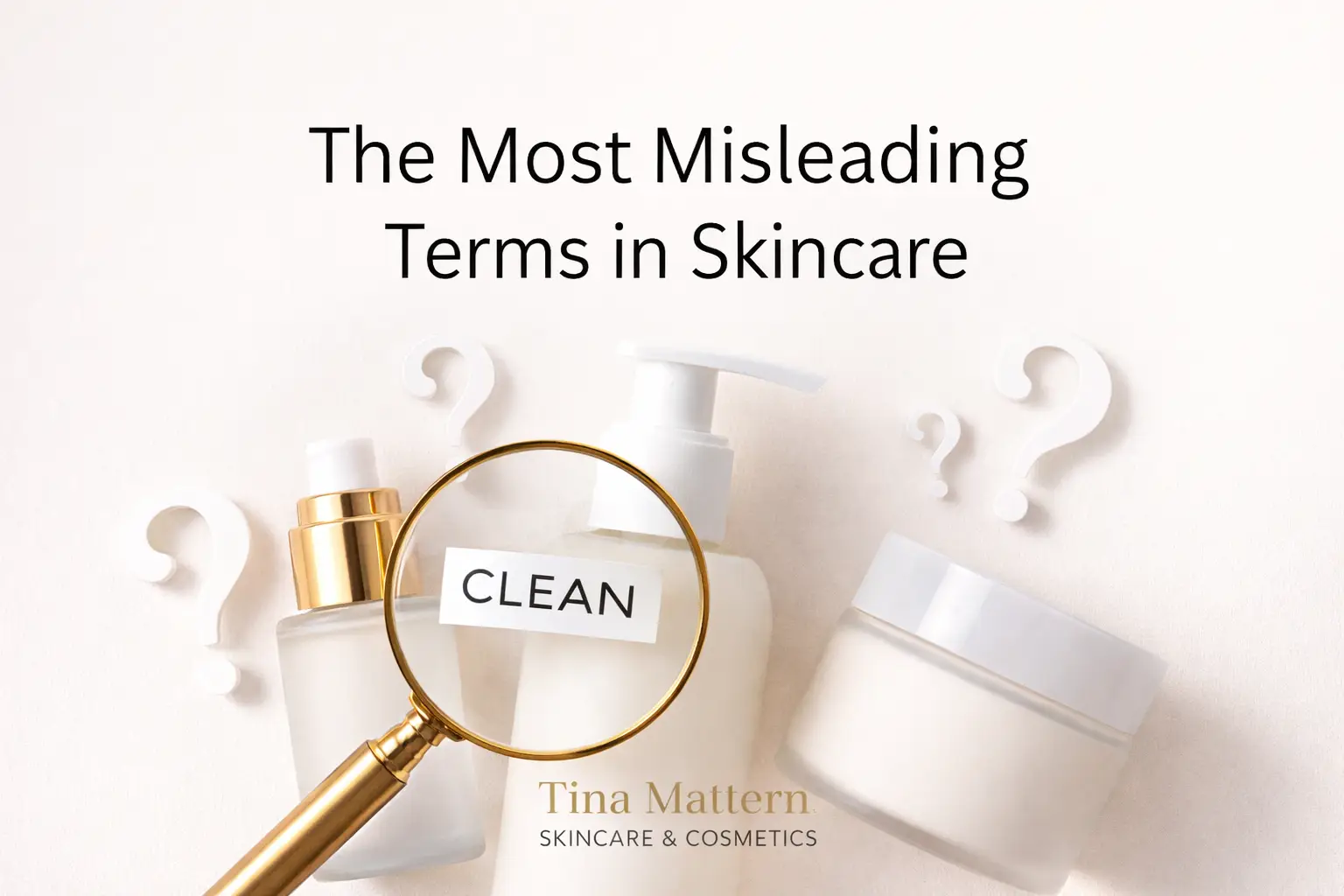
We created this series to help explain some of the most misunderstood terms in skincare, including misleading skincare terms. These misleading skincare terms often confuse consumers and can lead to misunderstandings about the efficacy and safety of the products they are using. Misleading labels can create unrealistic expectations and, in some cases, even contribute to skin issues. For example, terms like ‘hypoallergenic’ and ‘natural’ are often used without clear definitions, leading to ambiguity. Our aim is to provide you with clear, honest information about what skincare labels really mean, so you can make informed decisions for your skincare routine.
Understanding Misleading Skincare Terms
Understanding misleading skincare terms is essential for anyone looking to choose the right products.
By recognizing misleading skincare terms, you can better navigate the wide range of products available.
It’s crucial to be aware of misleading skincare terms when selecting products to avoid potential adverse effects.
Stay informed about misleading skincare terms to protect your skin’s health and well-being.
Being well-versed in misleading skincare terms can empower you as a consumer.
Understanding misleading skincare terms will help you make more informed choices.
Educating yourself about misleading skincare terms is essential in today’s beauty market.
Ultimately, being aware of misleading skincare terms can enhance your skincare journey.
Consider the term ‘anti-aging.’ This phrase is heavily marketed and implies that a product can reverse or prevent aging. However, aging is a natural process, and while certain ingredients may help improve the appearance of the skin, no product can completely stop or reverse aging. Ingredients like retinoids and peptides may promote collagen production and improve skin texture, but it’s essential to manage expectations and understand that results will vary from person to person. Additionally, focusing on a holistic skincare routine, including sun protection and hydration, can play a significant role in maintaining youthful skin.
Furthermore, let’s discuss ‘cruelty-free.’ This label indicates that a product was not tested on animals, which is important for many consumers. However, it’s vital to know that this term can sometimes be misleading. Some brands may still source ingredients from suppliers that conduct animal testing in certain markets. Therefore, if cruelty-free practices are a priority for you, look for certifications from reputable organizations that guarantee ethical treatment of animals.
In this evolving skincare landscape, understanding the language used in product labeling is more crucial than ever. The rise of social media has also contributed to the spread of misinformation, with influencers promoting products without a full understanding of their ingredients or efficacy. As a consumer, taking the time to research and educate yourself can save you from potential disappointments and skin issues down the line. This series will equip you with the tools necessary to decode marketing jargon and make informed choices about your skincare products.
To illustrate this point, let’s consider the term ‘hypoallergenic.’ While the word suggests that a product is less likely to cause an allergic reaction, there is no regulatory definition that guarantees this claim. This means that a product labeled as hypoallergenic may still contain ingredients that irritate certain individuals. It’s essential to remember that everyone’s skin is unique, and what works for one person may not work for another. A thorough understanding of ingredients and their potential effects can help you choose the best products for your skin.
Another term that often misleads consumers is ‘natural.’ Many brands use this term liberally, but it does not necessarily mean that the product is free from synthetic chemicals or harmful ingredients. For instance, some products labeled as ‘natural’ may still contain preservatives or artificial fragrances that can be detrimental to skin health. To navigate this landscape, it’s crucial to educate yourself on common skincare ingredients and their functions. This knowledge will empower you to discern which products align with your skincare goals.
Moreover, consumers must pay attention to terms like ‘non-comedogenic.’ This label implies that a product is formulated not to clog pores, which is particularly important for individuals with acne-prone skin. However, the term is not regulated, and different skin types may react differently to various ingredients. Therefore, relying solely on this label without understanding the ingredients can lead to poor skincare choices.
For more guidelines and facts check out more Tina Mattern Blogs
Learn more about how skincare ingredients work by visiting the American Academy of Dermatology: https://www.aad.org